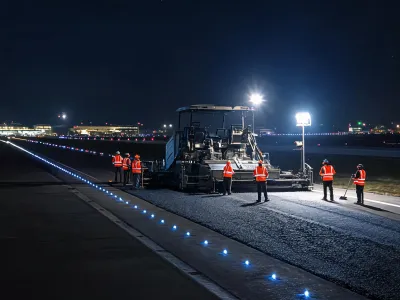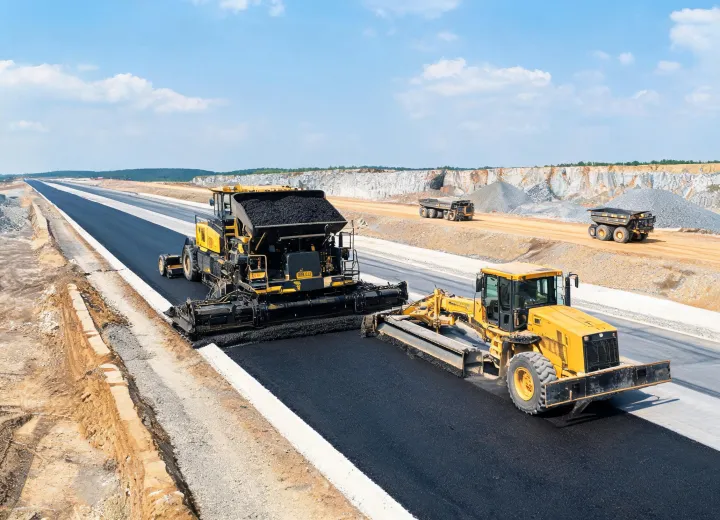
Paving and grading crew on multi-scenario jobsite
Jobsite Solutions

LeeBoy Solutions for Mining, Road, Building & Water Crews

Problem-led equipment configurations that help procurement teams match asphalt pavers, motor graders, plate compactors and tack distributors to the constraints of each worksite — not a one-size brochure fleet.

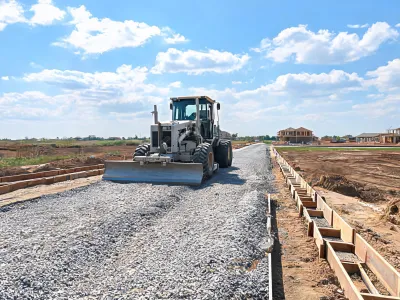
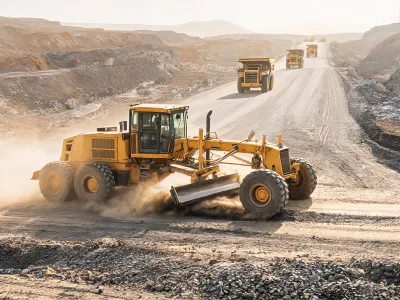
Mining haul-road teams often lose days when washboard returns after rain. LeeBoy motor graders with staged cutting edges and plate compactors for culvert backfill keep access open while larger haul trucks keep moving ore.

"We stopped guessing hopper feed and screed heat after the first kilometer — the mat temperature window finally matched our density plan." — Paving Superintendent, highway corridor package

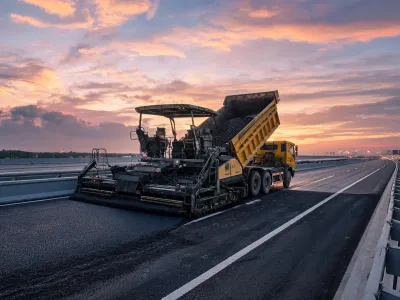
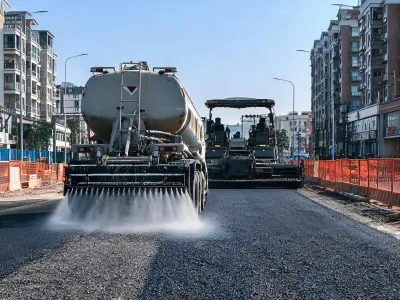
Highway paving trains need continuous feed, mapped screed heat and tack rates that do not starve the mat. LeeBoy asphalt pavers paired with tack distributors and plate compactors at the edges give foremen a single conversation for the paving day.

Building-pad contractors fight utility trenches and curb returns more than open corridors. Mini graders hold cross-slope on subdivision streets while plate compactors finish backfill so foundation pours are not waiting on density retests.

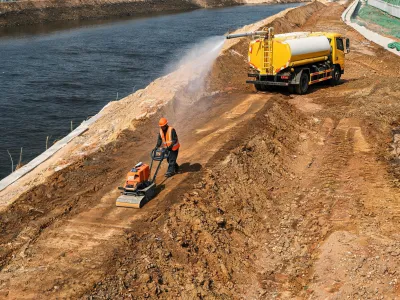
Water and embankment packages demand lift-thickness discipline. Graders shape the crest, plate compactors work the shoulders, and application engineers document moisture and pass plans so inspectors sign off without rework loops.

How to choose a LeeBoy configuration by scenario

What machine mix fits a mining or quarry haul road?

Start with a motor grader for surface maintenance, plate compactors for culverts and shoulders, and optional mini graders for tight switchbacks. Stage moldboard edges near the pit gate before monsoon or freeze-thaw seasons.

How should a highway paving train be configured?

Pair an asphalt paver sized to lane width with a tack distributor and plate compactors for edges and joints. Confirm screed heat type (electric or propane) against night-shift fuel and noise limits.

What do building-pad and subdivision crews usually need?

Mini graders for street cross-slope, plate compactors for utilities, and a compact paver when asphalt follows concrete curb. Ask for operator coaching on crown transitions at intersections.

How do water and embankment projects differ from paving?

Lift thickness and moisture control matter more than mat temperature. Graders shape the embankment; plate compactors prove density in layers. We document pass plans for inspector acceptance.

Technical trade-offs buyers still debate before the PO

LeeBoy application engineers walk procurement teams through industry disputes that change asphalt quality, fleet residual value and which iron belongs on the corridor — not a single “always buy” answer.

Jaw crusher vs. impact crusher for highway asphalt aggregate

Upstream crushing choice shows up in mat texture and density acceptance. Jaw crushers keep primary circuits simple and tolerate hard feed (Mohs ≤ 9) with lower liner cost — still the default when quarries prioritize uptime over cubicity. Impact crushers raise cubic particle share and are preferred when the binder / wearing course specification demands cubical asphalt aggregate for high-speed corridors. LeeBoy paving packages do not replace the crusher decision; we ask which circuit feeds your plant so screed heat maps and plate-compactor pass counts match the aggregate’s angularity.

  • Jaw side: simpler structure, broader hardness tolerance, lower maintenance cost
  • Impact side: better particle shape for premium highway asphalt mixes
Chinese OEM vs. Western premium brands on paving fleets

Fleet managers still split on total cost of ownership. Chinese OEMs (SANY, XCMG and peers) often quote 30–50% lower list in the same power class and now ship CE / EPA Tier 4 packages into North America and Europe. Western premium brands keep higher residual values, denser global service networks and stronger used-machine liquidity — attractive when bid bonds and resale risk dominate. LeeBoy positions as a road-construction specialist: CE 2006/42/EC, ISO 9001:2015 and EPA Tier 4 Final documentation with every serial, plus regional hub stocking for screed plates and moldboard edges so the debate stays on service density rather than brochure horsepower.

  • Chinese OEM side: lower acquisition cost, expanding parts networks, certified export platforms
  • Western premium side: residual value, mature global service, liquid secondary market

Limits we disclose up front: electric screed heat needs stable site power or a dedicated genset; propane zones are quieter for municipal night windows but add fuel logistics; plate compactors lose efficiency above about 300 mm lift thickness without multiple passes; mini graders are not a substitute for full-size moldboards on high-volume quarry haul roads with operating weight demands above the 12–14 t class.

Request a scenario-matched equipment configuration

Share mining, road, building or water constraints — crew size, climate window and target mat or lift specs — and we return a LeeBoy package recommendation.